The Issue
Challenges Facing the Green River Today
The Green River, located in the northeast corner of Utah, is the largest tributary to the Colorado River, the backbone of agriculture and electrical production in the American West. Crystal clear water flows from the Flaming Gorge Reservoir and is met by towering sandstone walls speckled with pinyon, junipers. The river takes its name from the vegetation, a vibrant green, that carpets the river bed and provides sanctuary for trout and other aquatic animals. This section of the river spans 30 miles from the base of the dam to the Utah-Colorado border and is encompassed by a vast watershed. There are generally three categories of issues impacting the health and resilience of this ecosystem: climate change and unsustainable flows, high-intensity recreation, and resource management.
1. Climate Change and Unsustainable Flow Regime
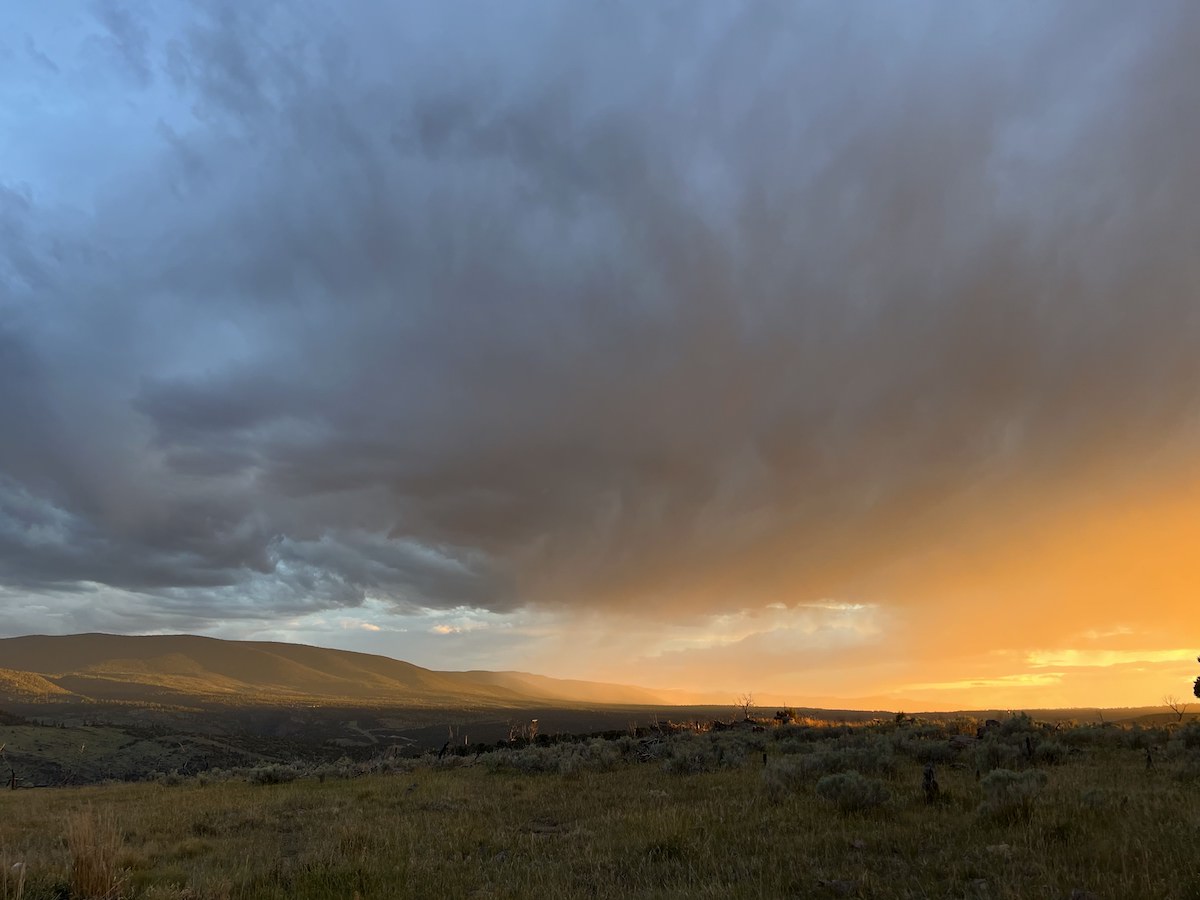
The American West is faced with inconsistent and declining precipitation, significantly impacting the health of many of our aquatic ecosystems. The Green River battles warmer temperatures, low flows, and unsustainable dam releases. Less adaptable aquatic life is susceptible to these drastic changes. Water is a precious resource, and the Green deserves effective conservation and management practices to ensure its longevity.
2. High-intensity Recreation
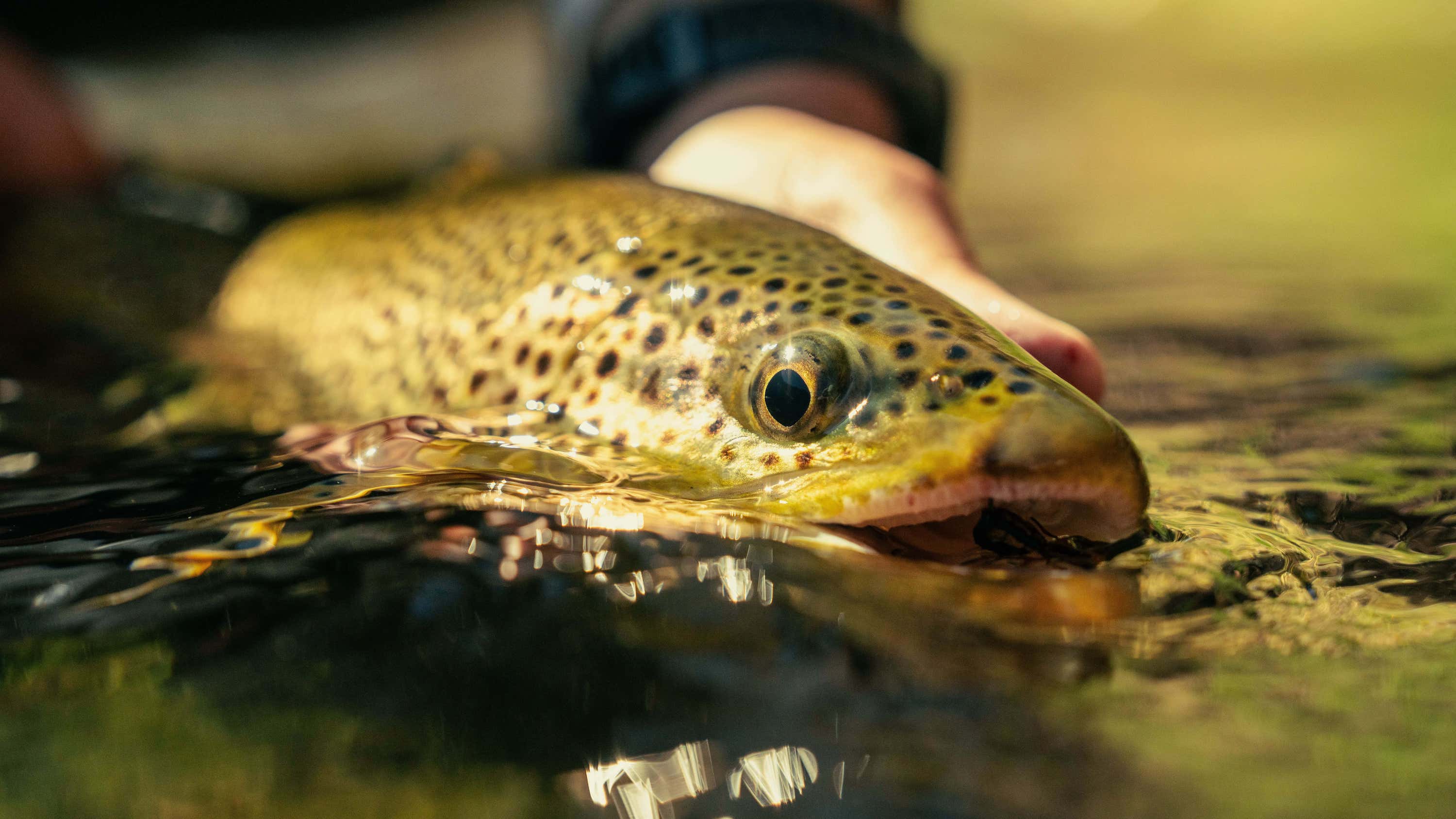
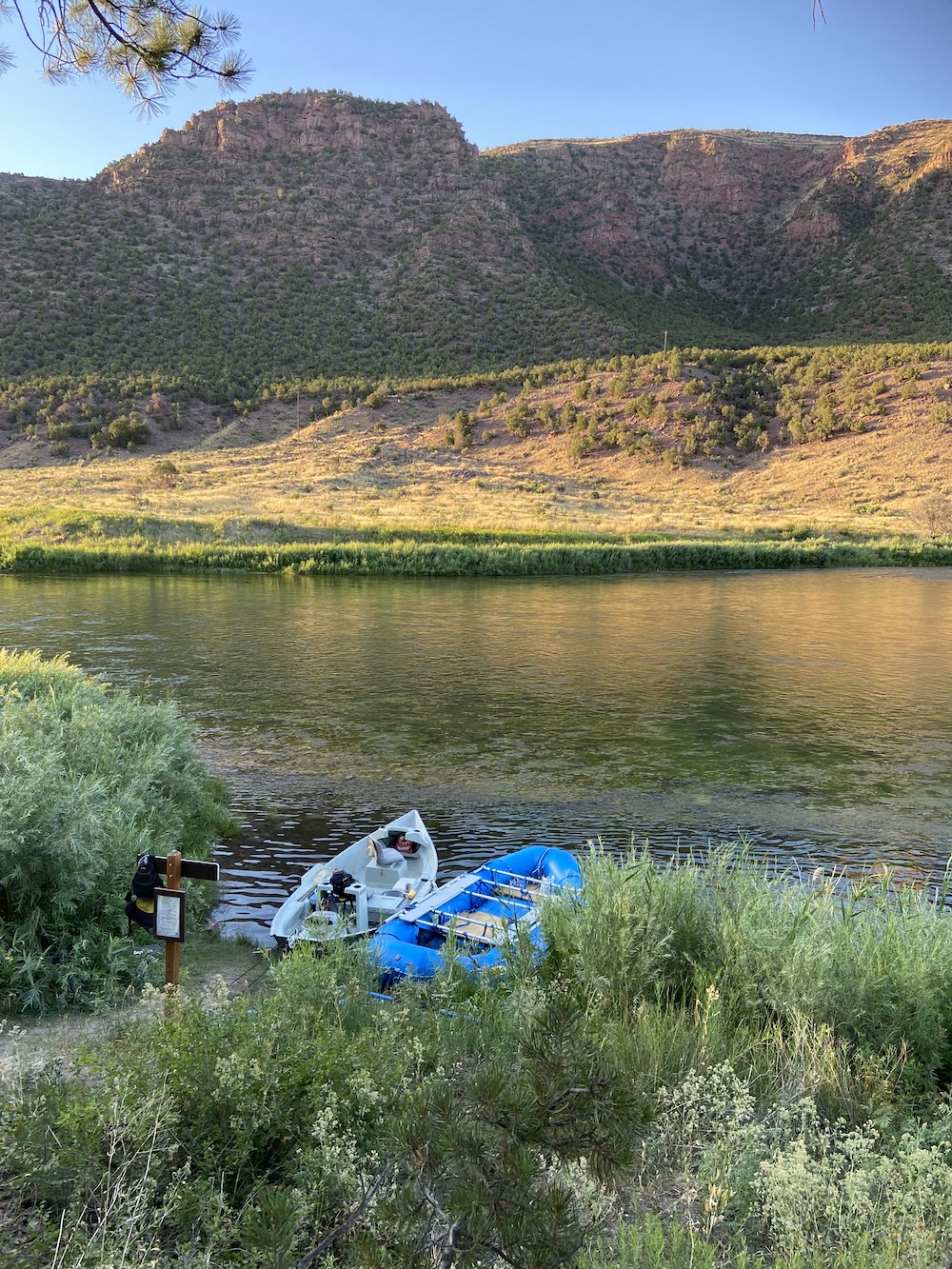
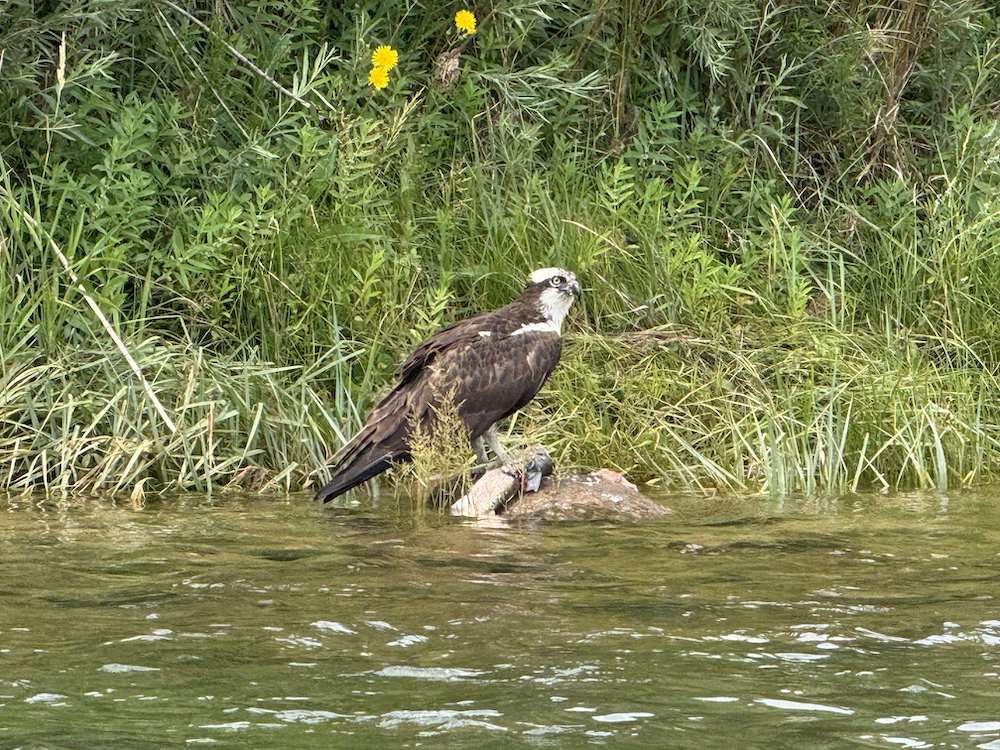
The Green River is a world-renowned wild trout fishery that attracts thousands of anglers annually to experience strong-willed brown, rainbow, and cutthroat trout. Down river rafters are drawn to the Greens' spectacular steep-walled canyons and rigorous white water sections. Wildlife enthusiasts arrive in canoes or hiking boots to experience the grandeur first hand. Bird watchers, hunters, and many others all make annual pilgrimages to the Green River. Passionate users of the Green are nothing if not varied.
3. Resource Management
The Green River is managed by a menagerie of government agencies (Bureau of Reclemation, U.S. Forest Service, Bureau of Land Management, Environmental Protection Agency, Utah Division of Natural Resources, Division of Wildlife Resources etc.). Communication between agencies is convoluted and inconsistent due to the varied jurisdiction and responsibilities. The river corridor is currently managed by outdated regulations which fall woefully short of adequately managing today's user numbers and state of the environment.