Long-term Entomology Studies
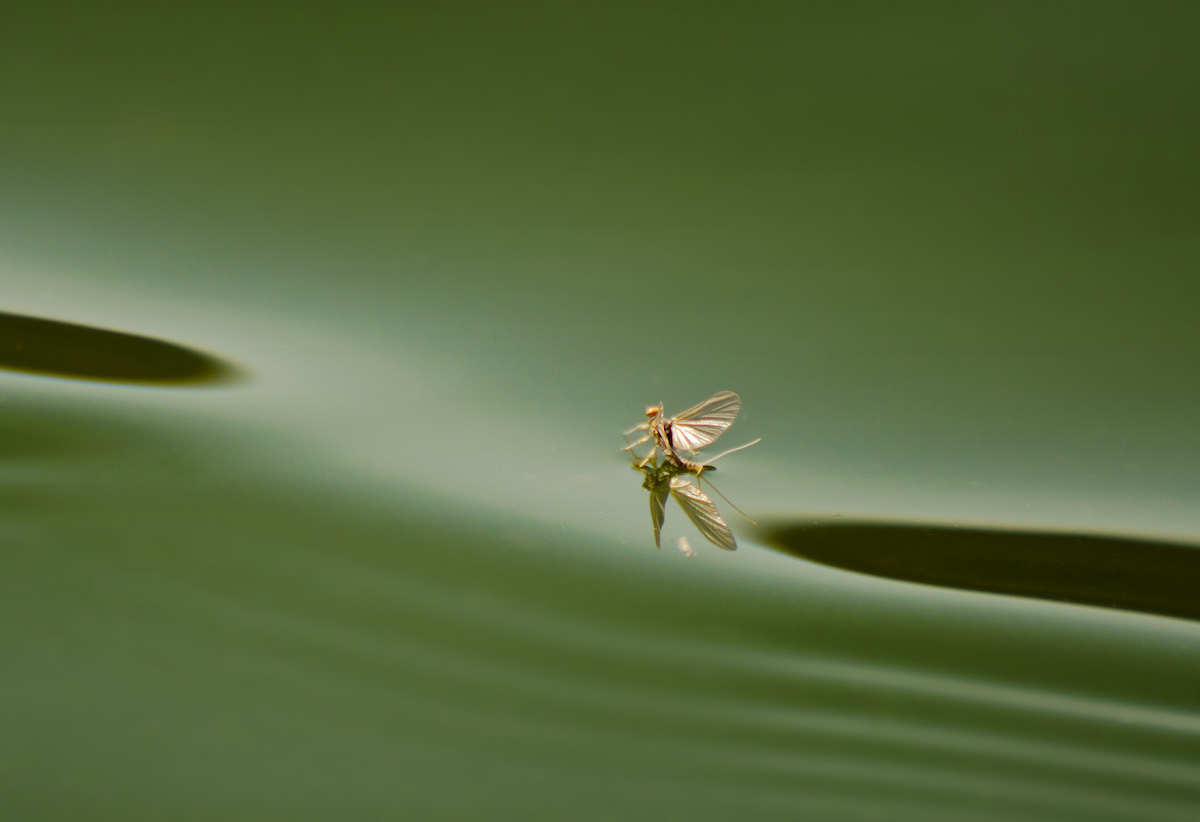
Through recent decades, we have seen a steady decline in the abundance and regularity of insect hatches. We no longer witness historic hatches of stoneflies, salmonflies, and golden stones; caddis, PMD's, and yellow sallies are demonstrating signs of shorter hatch windows and diminished populations. We aim to gain a deeper understanding of the status of the Green River's insect populations through long-term entomological studies with the partnership of a credible third-party researcher. This information will be invaluable in understanding the health and resiliency of this ecosystem and will inform our future advocacy work.
Applied Stewardship and Hands-on Efforts
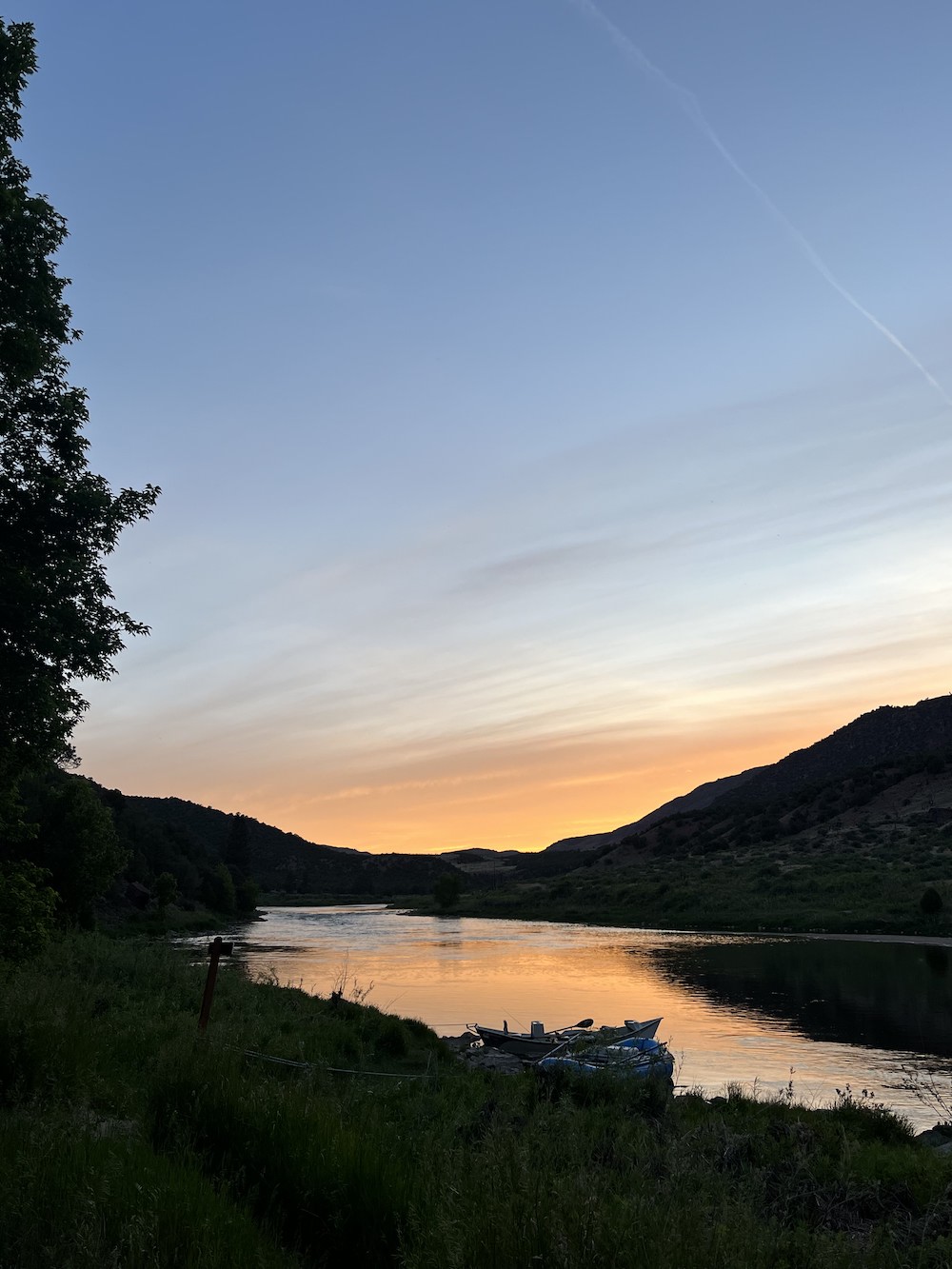
We will work alongside the U.S. Forest Service through a stewardship program to care for the campsites, boat ramps, and restrooms along the Green River. Due to limited funding and staffing, the Forest Service lacks the capacity to fulfill this responsibility. This work is crucial in preserving the pristine and natural beauty of the Green River. We need to acquire a boat and proper equipment, as well as funding to pay GRC employees to perform this work. Additionally, we would like to raise funds to replace the outhouses, benches, and tables along the river, which are almost all in need of considerable repair or replacement.
Additionally, we will collaborate with the community of Dutch John to host clean-up events through the high season.
River Use Fee Advocacy
The Green River is a popular destination for anglers, rafters, and nature enthusiasts. Because of its reputation as a renowned wild trout fishery and incredible scenery, the river is experiencing an increase in river traffic. High visitation, particularly June through September, is unsustainable and dilutes the wild nature that visitors are seeking. Currently, a day pass costs $5 and an annual is $35. We will advocate on the local, state, and federal levels for an increase in the cost of passes. While individuals have an absolute right to this land, we must ensure that outdoor recreation does not harm the quality and functioning of this ecosystem.